
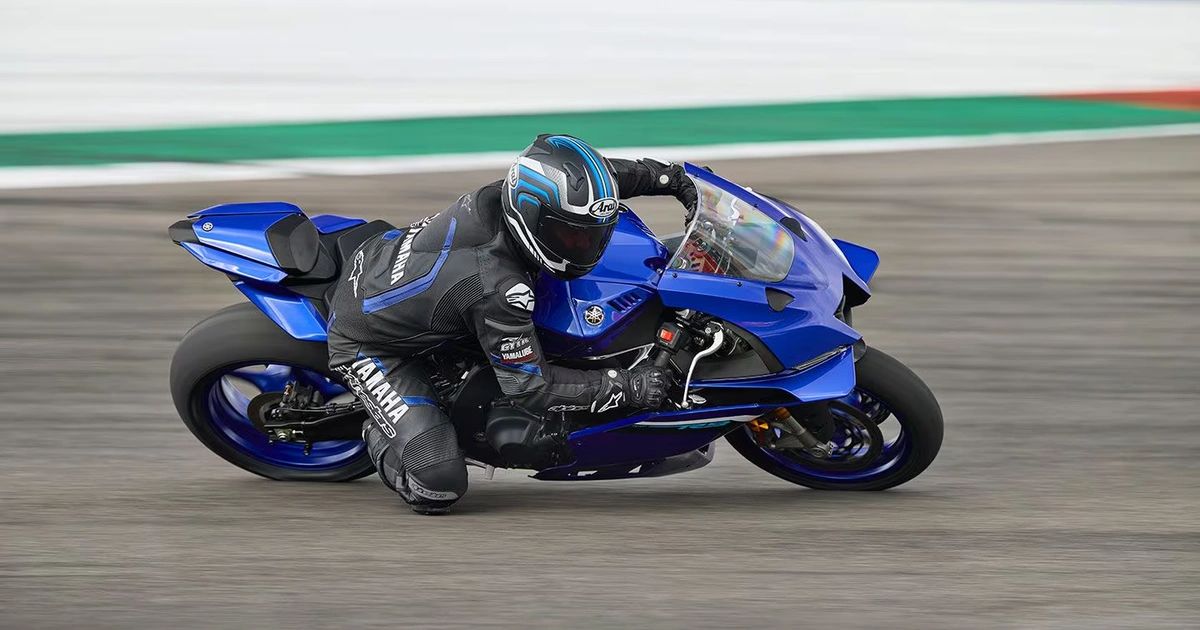
One of the most anticipated bikes since the launch of the YZF-R7 in 2021, Yamaha’s new YZF-R9 brings excitement to the middleweight sportbike category, filling the gap between the approachable YZF-R7 and the powerhouse R1. Building on Yamaha’s rich supersport legacy, the R9, set for a March 2025 release, combines street usability with thrilling track capabilities, making it an ideal choice for a wide range of riders—from commuters to track enthusiasts.
We have many YZF-R7s available for rent on our platform and expect the R9 to be even more popular.
Let's break down Yamaha's latest sportbike.

Power and Performance
The 2025 Yamaha YZF-R9 is powered by the MT-09’s highly praised 890cc CP3 inline-triple engine. With refined ECU settings and taller gearing (16/45 compared to the MT-09’s 16/43), this engine delivers 117 horsepower—offering a perfect balance of mid-range torque and top-end performance.
Yamaha overhauled this CP3 engine in 2021, significantly improving key components like pistons, connecting rods, and the crankshaft to deliver weight reduction and increased torque. Expect the R9 to perfectly balance aggressive sport riding and easy handling in everyday traffic situations. When unleashed on twisty backroads, riders will appreciate the engine’s crisp throttle response and its hooligan-like spirit.
Chassis and Suspension
The R9’s lightweight frame is all new, designed to handle both the rigors of street riding and the demands of the track. This Deltabox aluminum frame, the lightest ever offered on a Yamaha supersport, helps keep the wet weight down to an impressive 430 pounds. This platform, combined with the bike’s more aggressive geometry (55.9-inch wheelbase, 22.3-degree rake, and 3.7-inch trail), creates a sportier feel compared to the MT-09, which should deliver razor-sharp handling in corners without sacrificing comfort on straightaways.
Suspension duties are handled by KYB’s top-tier 43mm Separate-Damping Front Fork (SDF), which offers fully adjustable high- and low-speed compression damping, rebound damping, and preload. The rear shock is also fully adjustable, meaning riders can fine-tune the bike to their specific riding needs.
Technology and Electronics
For those who crave modern tech, the YZF-R9 doesn’t disappoint. It arrives loaded with an advanced electronics suite designed to maximize safety and performance. Yamaha offers a four-level Power Delivery Mode (PWR), a nine-level lean-sensitive Traction Control System (TCS), and Slide Control System (SCS). The bike also features a three-level Lift Control System (LIF) and Launch Control (LC), both of which derive from Yamaha’s racing pedigree.
A major highlight is the 5-inch full-color TFT display, which gives riders full control over various settings like riding modes and quick-shifter adjustments. The R9 is also equipped with a bidirectional quick-shifter for seamless clutchless upshifts and downshifts—ideal for both spirited street riding and setting fast lap times on the track.
Aerodynamics and Design
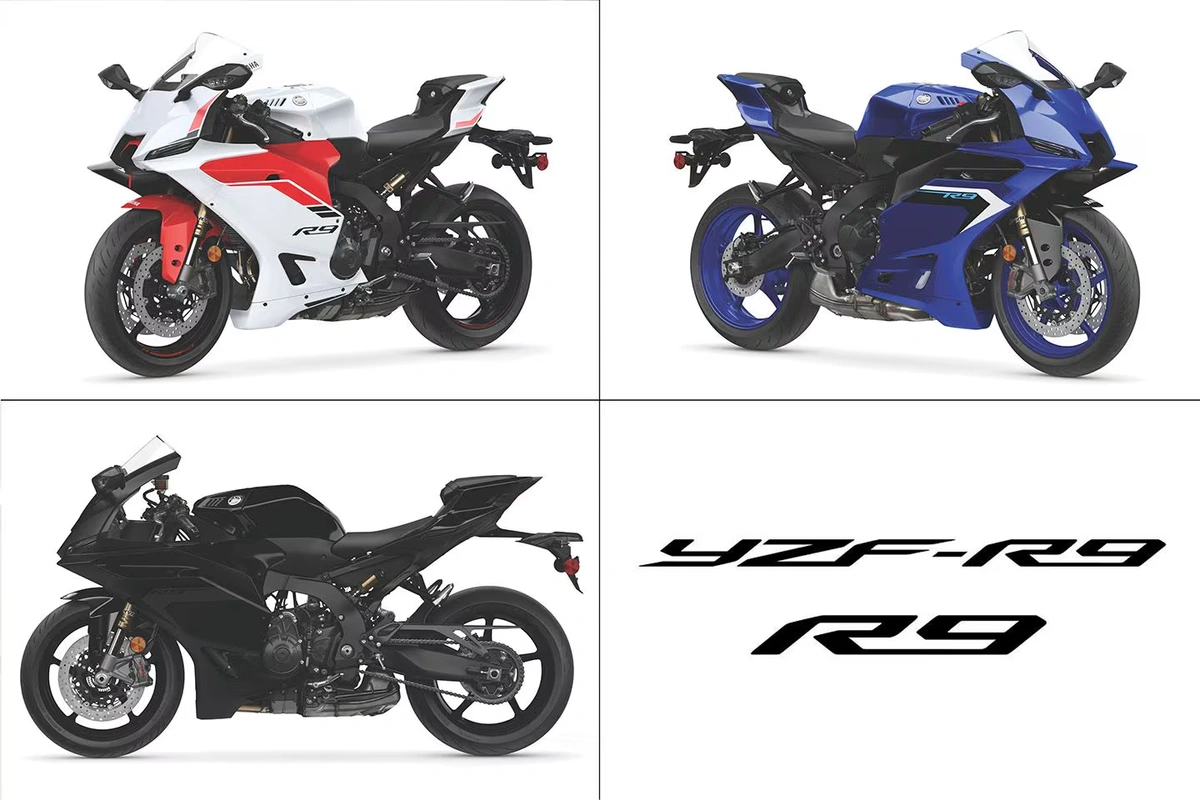
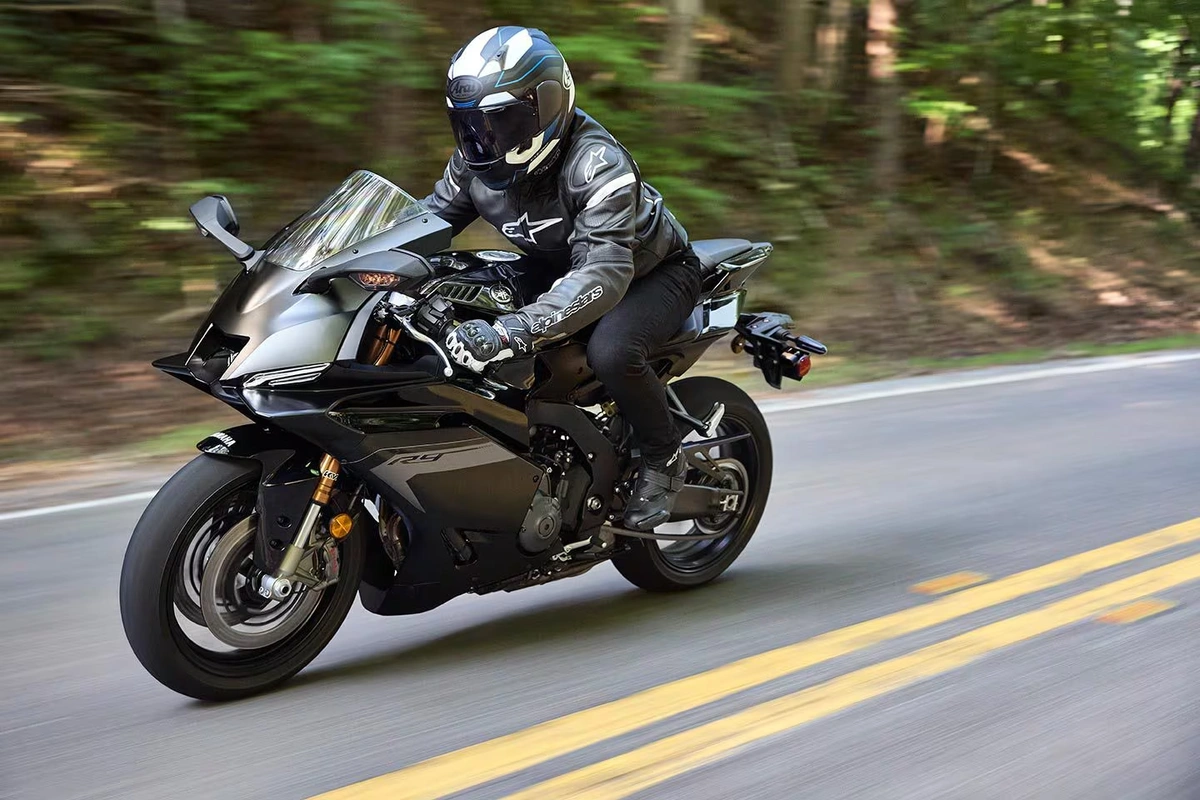
Yamaha has given the R9 a sharp, aggressive look that’s distinctly its own while still paying homage to its R-series siblings. The bike is not just about aesthetics, though. Yamaha claims the R9 is their most aerodynamic sportbike to date, featuring winglets designed to provide legitimate downforce at high speeds—making it stable when it counts the most. Expect the R9 to come in Yamaha’s signature blue and Matte Raven Black and Intensity White/Redline.
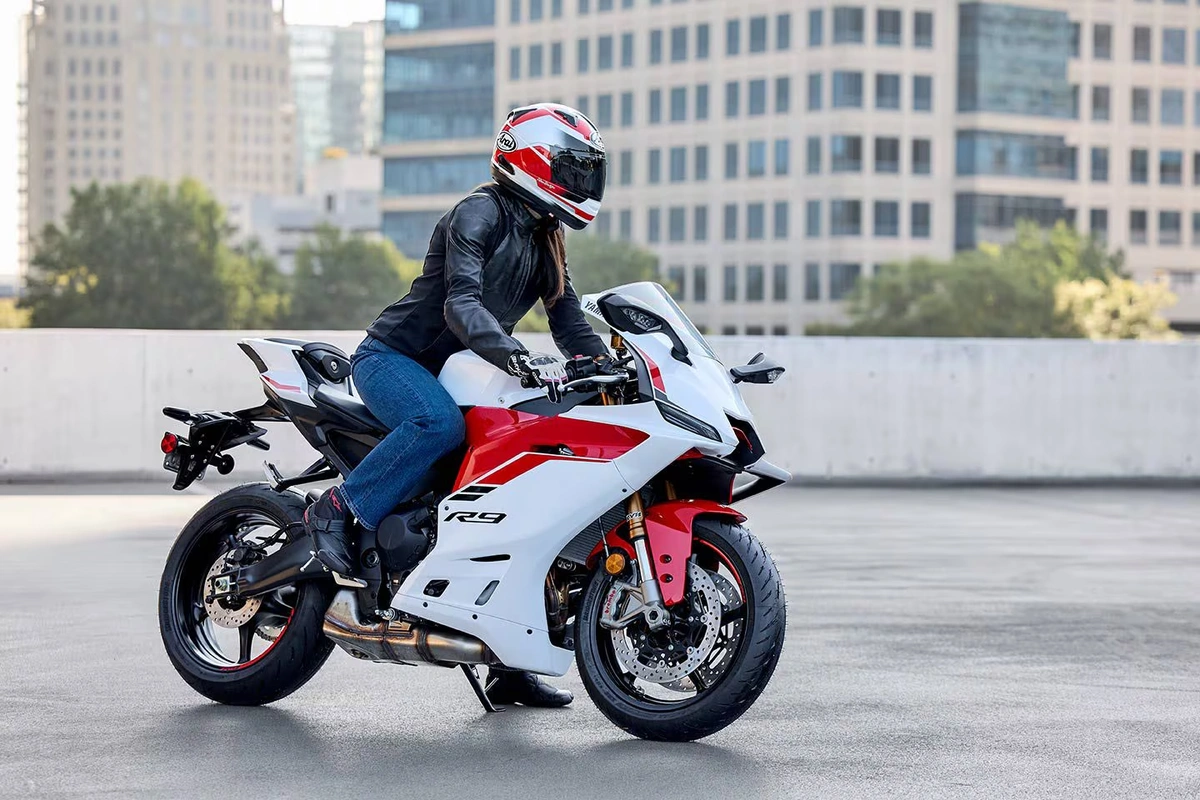
While the R9 is undeniably built for performance, Yamaha hasn’t overlooked rider comfort. The bike’s ergonomics are designed to strike a balance between aggressive track positioning and everyday usability. Its wider fuel tank and slightly larger dimensions, compared to the R7, should offer more comfort, particularly for longer rides. Seat height comes in at 32.7 inches, slightly higher than the R7 but still manageable for most riders. Clip-on handlebars mounted below the top triple clamp put riders in a sporty, leaned-forward position, though not as aggressive as the R1.
Competitive Landscape & Pricing
With the YZF-R9, Yamaha has positioned itself to compete against formidable rivals in the middleweight sportbike segment. The R9 competes with the Ducati Supersport, MV Agusta F3 800, Suzuki GSX-R 750, and the Triumph Street Triple 765. Its unique inline-triple engine sets it apart in terms of torque and mid-range performance, while its advanced electronics package gives it a distinct advantage over its competition.
At $12,499, the 2025 Yamaha YZF-R9 is competitive within the sportbike market, especially considering its blend of tech, power, and versatility. Yamaha fans and sportbike enthusiasts can expect the R9 to hit dealerships in March 2025, with pre-orders likely available in late 2024.
Get ready for a new era in Yamaha’s supersport lineup. The YZF-R9 is here, and it’s shaping up to be one of the most exciting bikes of 2025.
2025 YZF-R9 Specs
Engine
- Engine Type: 890cc liquid-cooled, DOHC, inline 3-cylinder; 4 valves per cylinder
- Bore x Stroke: 78.0mm x 62.1mm
- Compression Ratio: 11.5:1
- Fuel Delivery: Fuel injection with YCC-T
- Ignition: TCI (Transistor Controlled Ignition)
- Transmission: 6-speed; multiplate wet clutch with Assist & Slipper clutch
- Final Drive: Chain
- Fuel Capacity: 3.7 gal
Chassis
- Front Suspension: 43mm KYB® inverted fork, adjustable preload, high/low-speed compression and rebound; 4.7-in travel
- Rear Suspension: KYB® single shock, adjustable preload, high/low-speed compression and rebound damping; 4.6-in travel
- Front Brakes: Dual 320mm hydraulic discs with ABS
- Rear Brakes: 220mm hydraulic disc with ABS
- Front Tires: 120/70ZR17 Bridgestone® BATTLAX HYPERSPORT S22F
- Rear Tires: 180/55ZR17 Bridgestone® BATTLAX HYPERSPORT S22R
Dimensions
- Length x Width x Height: 81.5 in x 27.8 in x 46.5 in
- Seat Height: 32.7 in
- Wheelbase: 55.9 in
- Rake (Caster Angle): 22.6°
- Trail: 3.7 in
- Max Ground Clearance: 5.5 in
- Fuel Capacity: 3.7 gal
- Fuel Economy: 48 MPG
- Wet Weight: 430 lb