

In a world where environmental concerns are skyrocketing and fuel prices are consistently hitting absurd highs, fuel-efficient motorcycles are an obvious solution for addressing these concerns.
But which bikes deliver the best MPG, especially if we want to save some cash while renting a motorcycle? Can they offer the thrill we crave without crushing our wallets?
There's a pervasive myth that all motorcycles are fuel sippers compared to cars. Sure, they're smaller and lighter, so it's easy to assume they're inherently more efficient.
But don't be fooled. Some bikes drink fuel with the enthusiasm of a college freshman at a keg party. While the EPA states that the average passenger vehicle in the U.S. gets about 25.3 miles per gallon (mpg), you'd think any motorcycle worth its salt could crush that number, right?
Well, not always. Yes, plenty of bikes comfortably hit the 40-50 mpg range, but there are surprising exceptions that fall short—sometimes dramatically so, such as my built Ducati 1198, which barely gets 80 miles from a fuel tank. The latter is especially true if you ride like a maniac and are always having fun.
You must know where to look if you're hunting for the most fuel-efficient motorcycles. Spoiler alert: They typically fall into specific categories like small-displacement commuters (and don't forget electric motorcycles!).
If you're eyeing that 1000cc sportbike thinking it'll be gentle on your wallet at the pump, you'll discover something else. High-performance machines are engineered for speed and adrenaline, not sipping fuel. But don't get discouraged. There are bikes out there that strike a sweet balance between excitement and efficiency.
The bottom line? Not all motorcycles are the eco-friendly marvels they're cracked up to be. If fuel efficiency is high on your priority list, do your homework. Understand that factors like engine size, weight, aerodynamics, and even your riding style significantly influence how far you'll get on a tank.
The good news is, with some research, you can find a ride that not only thrills but also leaves a smaller carbon footprint.

What Should You Consider When Looking for the Most Fuel-Efficient Motorcycles?
Finding the most fuel-efficient motorcycle is not just about the manufacturer's stated MPG. While manufacturers provide valuable information, your real-world riding experiences and preferences play a crucial role. It's not just about the numbers but about finding the right balance for your needs and the environment.
Engine Size and Type
Generally, smaller engines are more fuel-efficient than larger ones. Smaller-displacement engines, especially single-cylinder and parallel-twin engines often used in commuter-style motorcycles, require less fuel. This is because they displace a smaller volume of air and fuel in each combustion cycle.
But don’t make the mistake of thinking that multiple cylinders inherently equate to being less fuel-efficient. For example, a well-maintained four-cylinder engine designed for fuel efficiency can sometimes outperform a poorly-maintained single-cylinder engine. Many factors impact the relationship between cylinder count and gas mileage.
Riding Style and Habits
Ever notice how your car gets better gas mileage when you drive at steady highway speeds rather than accelerating quickly and braking hard during in-town situations? Accelerating rapidly consumes more fuel than driving moderately. The same principles apply to riding a motorcycle.
By adopting smoother riding habits such as accelerating gradually, maintaining a consistent speed, and anticipating traffic flow so you can coast longer, you’ll improve your bike’s fuel efficiency.
Maintenance and Overall Condition
It’s a simple fact that well-maintained motorcycles operate more efficiently, including better gas mileage. Regular maintenance ensures that the engine runs smoothly and efficiently, minimizing fuel wastage due to factors such as a dirty air filter, which restricts airflow to the engine, making it work harder and burn more fuel.
Additional factors impacting fuel efficiency include:
-
Tire pressure: Properly inflated tires with optimal tire pressure minimize rolling resistance. The higher the rolling resistance, the more energy the engine expands and the more fuel it uses.
-
Chain or belt condition: The motorcycle’s drivetrain (chain found on most bikes or belts like those on the majority of Harleys) can also sap efficiency. A worn or improperly adjusted chain or belt can create excessive friction and drag.
-
Fuel system condition: Fuel injectors deliver the correct air-fuel mixture to the engine for combustion. A dirty or clogged fuel injector can disrupt this balance, reducing efficiency and increasing fuel consumption. The same goes for various carburetor parts, including the jets, float bowls, and throttle bottles.
15 Top Fuel-Efficient Motorcycles
If fuel efficiency is one of your priorities, exploring options best known for sipping, not gulping, gas is important. Many riders find the following bikes perfect for navigating congested city streets, their fuel-efficient nature contributing to a reduced carbon footprint. And let’s be honest, the cost savings you get at the pump don’t hurt either.
Are you thinking about starting a side business renting motorcycles? These models will appeal to those who are super conscious of environmental and fuel-cost concerns.
Note: all are average mpg, and nothing will be exact.
|
Category |
Model |
Engine Size |
MPG |
Description |
|
|
Cruiser |
Honda Rebel 300 |
286cc |
78 |
Lightweight and beginner-friendly with excellent fuel economy. |
|
|
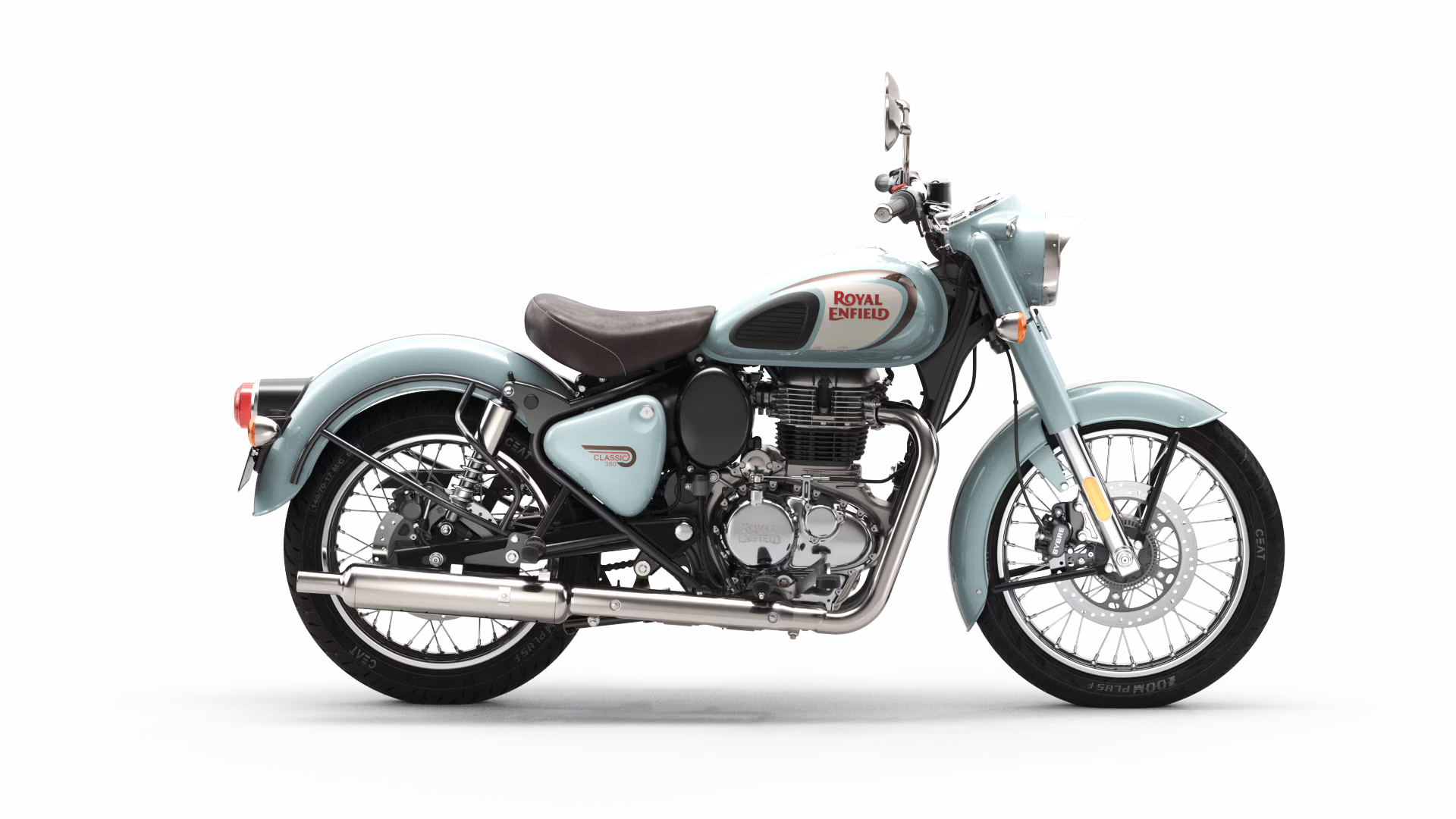
Royal Enfield Classic 350 |
349cc |
78 |
A different flavor of cruising with a smooth engine offering good fuel economy. |
||
|
Yamaha V Star 250 |
249cc |
78 |
Small-displacement cruiser known for its economy and easy handling. |
||
|
Sport |
Kawasaki Ninja 400 |
399cc |
65 |
Great for both beginners and experienced riders with excellent efficiency in a sport package. |
|
|
Honda CBR300R |
286cc |
71 |
Balances sporty performance with solid fuel efficiency, perfect for everyday use. |
||
|
Yamaha YZF-R3 |
321cc |
56 |
Compact sportbike with strong fuel economy, ideal for city commutes and twisty roads alike. |
||
|
Adventure/Dual-Sport |
Honda CB500X |
471cc |
71 |
Adventure bike with good fuel efficiency, fit for both urban and off-road exploration. |
|
|
Suzuki DR200S |
199cc |
88 |
Dual-sport with excellent fuel economy, designed for dirt and street capabilities. |
||
|
Kawasaki Versys-X 300 |
296cc |
65 |
Entry-level adventure bike with versatile performance and solid MPG. |
||
|
Naked |
Honda CB300R |
286cc |
70 |
Compact and agile, offering efficient performance in urban environments. |
|
|
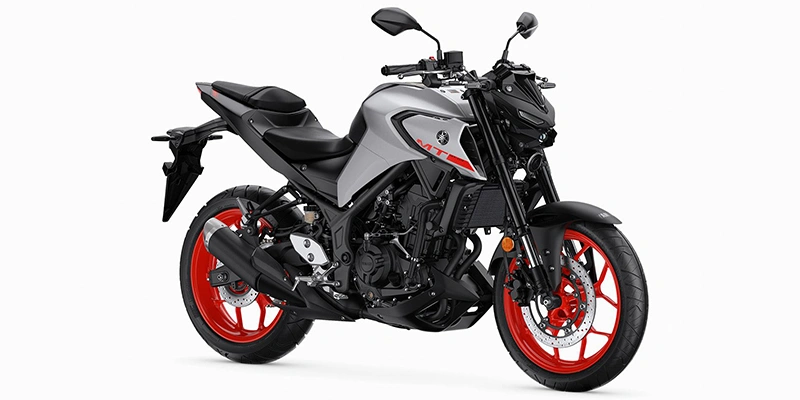
Yamaha MT-03 |
321cc |
56 |
Combines lightweight handling with good mileage, perfect for city rides. |
||
|
Suzuki SV650 |
645cc |
53 |
A larger naked bike with reliable fuel economy and a torquey V-twin engine. |
||
|
Touring |
BMW F 900 XR |
895cc |
55 |
Long-distance bike with good range and fuel efficiency, well-suited for extended touring. |
|
|
Honda NC750X |
745cc |
67 |
Comfortable and economical touring option with strong fuel savings on the road. |
||
|
Kawasaki Versys 650 |
649cc |
51 |
Versatile and practical with good mileage, designed for long, comfortable rides. |
Scooters Can’t Be Beat
While we're talking fuel-efficient options, we can’t forget scooters. Although we don't have scooter rentals available for rent, many will still wonder. Here, you'll discover a range of scooters equipped with efficient engines known for impressive gas mileage.
|
Scooter |
Average MPG |
Engine Type |
|
Honda PCX125 |
115 mpg |
125cc liquid-cooled, single-cylinder, four-stroke engine |
|
Yamaha NMAX 125 |
112 mpg |
125cc liquid-cooled, single-cylinder, four-stroke engine |
Want Better MPG? Optimize These 4 Things.
Even if your motorcycle isn't known for extraordinary MPG, a few tweaks and mindful riding habits can make a surprising difference. You'll save money on fuel and reduce your environmental footprint.
1. Monitor Tire Pressure
Riding with the optimal tire pressure can improve fuel economy in addition to other safety and performance benefits. And it couldn’t be easier to check. Most motorcycles have a sticker on their swingarm or in their owner’s manual that specifies the recommended PSI (pounds per square inch). Once you have that figure handy, invest in a good quality tire pressure gauge to make checking fast and simple.
2. Address Maintenance Needs Regularly
Remember earlier when we said a well-maintained engine runs more efficiently and uses less fuel? Well, it’s worth repeating that neglecting routine maintenance will affect your gas mileage. To get the most from your motorcycle and help maximize fuel efficiency, create a maintenance schedule and stick to it. Consult your motorcycle’s owner's manual and talk to your trusted mechanic about things that impact efficiency so that you can enjoy the open road knowing you've done your part.
3. Avoid Aggressive Riding and Idling
Yes, I understand. Boring. But aggressive riding—revving the engine hard, speeding up quickly, and braking abruptly—will have you making more trips to the gas station than necessary. When you’re behind the handlebars, prioritize smooth acceleration, maintaining a steady speed, and anticipating upcoming traffic flow so you can coast longer distances.
Also, get in the habit of turning your motorcycle off when you're stopped. Leaving your engine idling wastes fuel and increases emissions, even if it’s only for a short time. For instance, when stopped at a long traffic light, consider turning off your motorcycle rather than idling for an extended period.
4. Reduce Drag By Packing Strategically
Just like vehicles, motorcycles experience a force that opposes their motion as they cut through the air—something known as aerodynamic drag. And you probably already realize that this drag increases with speed. You may have even felt this effect, whether driving a car at highway speeds with the window down or trying to walk against strong winds.
Motorcycles inherently face higher drag than most cars due to their exposed rider and cargo. To maximize fuel efficiency, streamline yourself and your cargo:
-
Only use luggage when needed. The additional weight increases drag and forces your engine to work harder.
-
Distribute cargo evenly for stability and minimize any area being overly affected by wind resistance.
-
Adopt a tucked position to reduce your profile against oncoming air when riding at higher speeds. This will effectively reduce drag and boost fuel efficiency.
Choosing one of the most fuel-efficient motorcycles can lead to lower fuel costs, fewer frequent fill-ups, and a reduced carbon footprint. Whether considering small-capacity motorcycles, cruisers, or sleek sportbikes, many options prioritize fuel efficiency without compromising the excitement of the ride.
FAQs
What Is Fuel Efficiency in Motorcycles?
Fuel efficiency in motorcycles, typically expressed as miles per gallon (mpg) or kilometers per liter (kmpl), refers to the distance a motorcycle can travel on a specific volume of fuel. Higher mpg values mean the bike is more efficient, covering more distance on a single gallon. Several factors contribute to this efficiency, encompassing engine design, riding habits, and even the bike's overall weight and aerodynamics.
How Does My Riding Style Impact Motorcycle Fuel Efficiency?
You can ride your motorcycle efficiently, which generally means smoother riding translates into better fuel efficiency. Just like you conserve fuel in your car when you drive moderately, applying those principles to your motorcycle matters. By being mindful of accelerating gradually, sticking to the speed limit, and anticipating traffic patterns, you not only ride safer but also save money by increasing those miles per gallon.
Is There a Specific Time of Year When My Motorcycle is Most Fuel-Efficient?
Believe it or not, cold weather tends to lower tire pressures, increase rolling resistance, and reduce fuel efficiency because dense, cold air can affect aerodynamics. To counteract these seasonal variations, check your tire pressure frequently during colder months to ensure you stay within the recommended PSI for your motorcycle, typically found on your swingarm or inside the owner’s manual. You’ll increase your odds of a more fuel-efficient riding experience.