
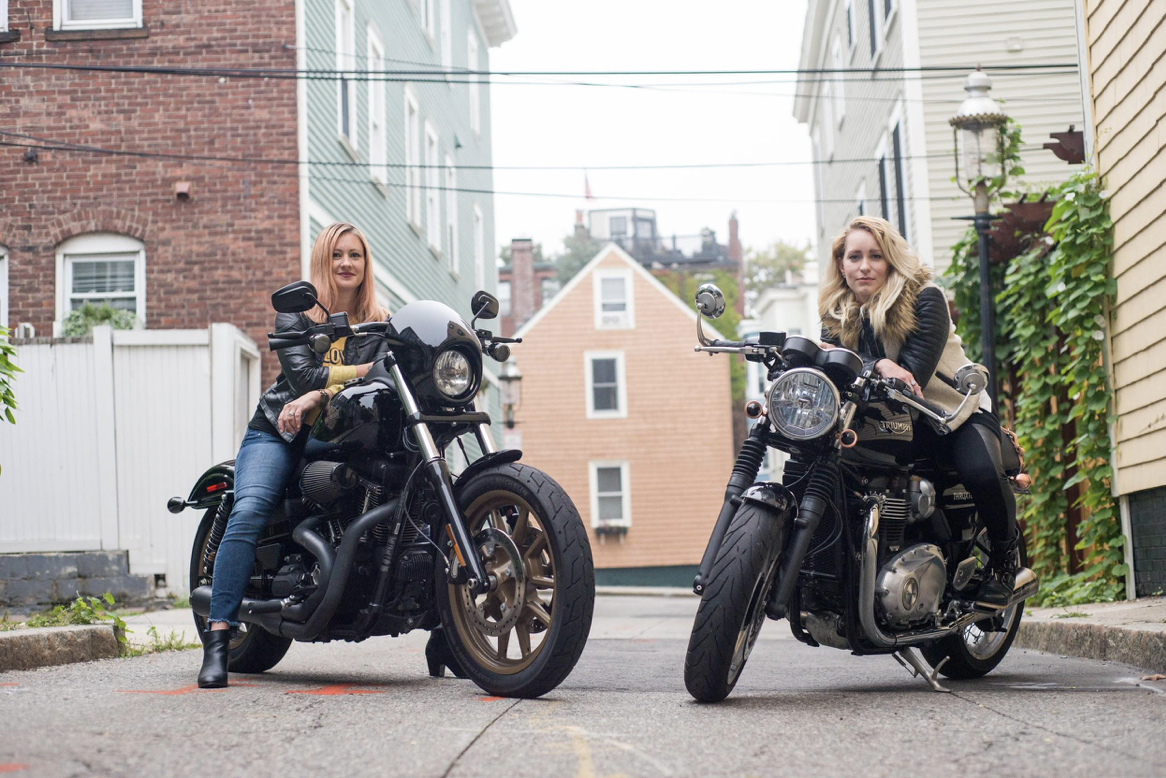
Bikes, Babes and Beards founders AL Arrington (left) and Chris Pizzo.
Photo Credit: Kim Maroon, @kmaroonfoto on Instagram
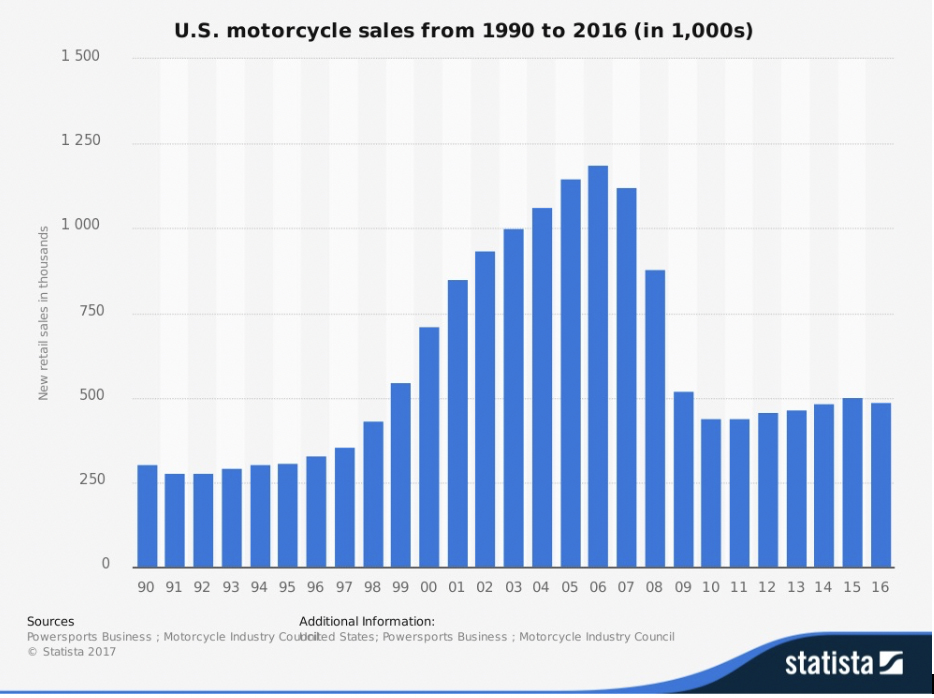
Motorcycle Industry insiders are practically in a panic. That’s because motorcycle sales collapsed during the 2008-2011 recession and despite a record economic recovery of almost 10 years, have yet to rebound – or even get close to – their 2006 peak. Read an article about this and you’ll see plenty of hand-wringing about millennials' indifference toward motorcycles. These darn kids! They don’t want to ride! They’re not buying bikes! We need to identify new groups of riders and market to them! But who are 'they'? Millennials? Latinos? ‘Urban’ riders?
There is one group that’s ironically the most overlooked, that has been the fastest-growing group of owners. And there’s no need to apply a trendy, catchy name, or to invest in an expensive PR campaign to reach out to them. They’re called women, and they’ve been part of motorcycling since day one.
That’s right. Women riders have increased their share of the new-motorcycle market almost 100 percent since 2010; 10 to 19 percent according to Motorcycle Industry Council (MIC) data. More importantly, women are over a quarter of those treasured millennial buyers (age 23-38). If motorcycling in the United States has a future, women will be the ones driving (riding?) it forward.
But that shouldn’t be surprising. We know that motorcycling is awesome, which is why we’re here at Twisted Road, after all. What should be surprising is that women were put (literally) in the back seat for so many years. “We know there were women riders 100 years ago,” said Liza Miller, star of the “Motorcycles and Misfits” podcast and regular at the Re-Cycle Garage, a community motorcycle repair center in Santa Cruz, California, “but then the image changed from [men and women riding] to the ‘60s and ‘70s bad boy.” Since then, the industry has turned away from motorcycles, marketing them to men.
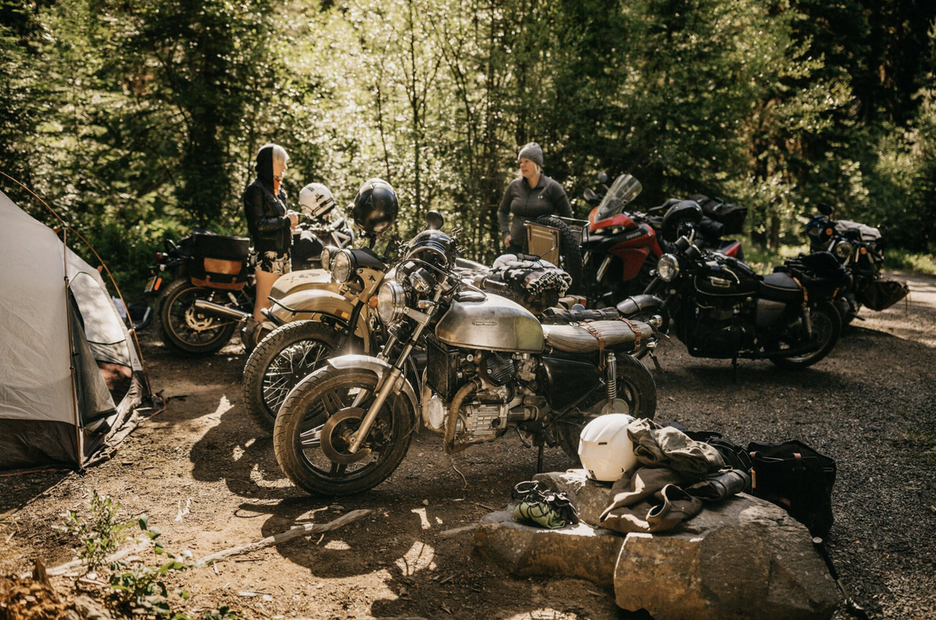
Abby Anderson and friends road-tripping in Oregon.
Photo: Jenny Linquist (@jennylinquist on Instagram)
And then came social media. Suddenly, it was easy for women riders to connect, form groups (don’t call them ‘clubs;’ that implies a different kind of organization – usually outlaw – with layers of male-dominated hierarchy and machismo-laden baggage) and plan events. Groups like The Litas, which was founded in 2015, swelled from dozens of riders to tens of thousands in just a few years. “It never would have happened so quickly without Instagram.” rider and moto-organizer Abby Anderson told me.
Women aren’t just forming groups on social media; they’re actually riding. Haley Bell, a United Kingdom motorcyclist, has organized the ambitious Women Riders World Relay, an event that will span 80 countries and boasts over 10,000 participating riders. It kicked off in Scotland in February 2019 and by January 2020 riders will have handed off a wooden baton to riders in Europe, North America, South America, Asia, Oceania and Africa. The goal is, in Haley’s words, to “wow the industry into realizing the global market for women in Motorsports and to inspire women worldwide.” Like most women riders you’ll talk to, Haley is frustrated by the male-led market, with limited choices for women in bikes, riding gear and activities.
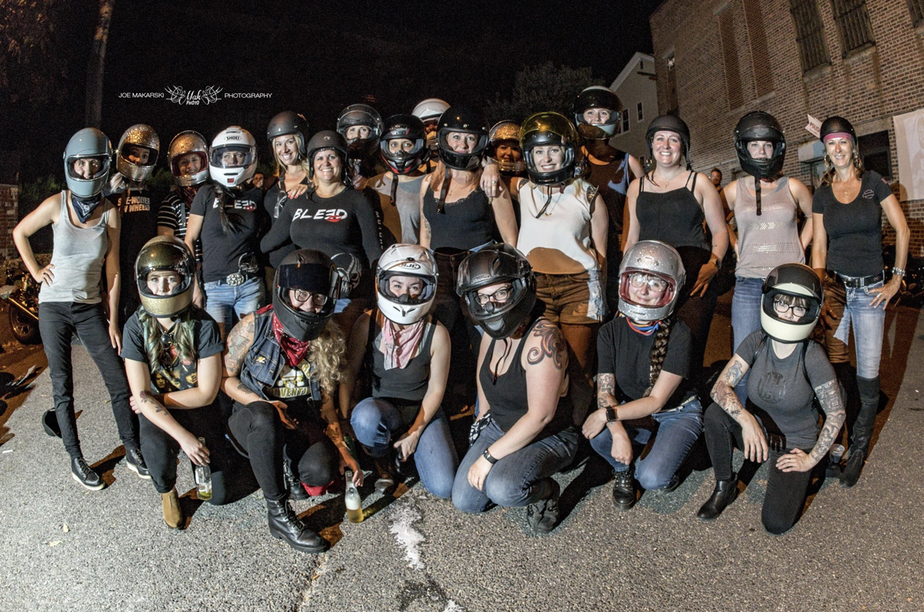
Photo credit: Joe Makarski - @makph0t0
Women are also making a mark in the world of bike building and customization. In 2017, not one but five women custom motorcycle builders were featured at the Sturgis motorcycle rally “Motorcycles as Art” exhibit. And they’re not just pretty paint jobs: these are bikes built from the frame up to look and perform like the big-bucks customs they are. One builder, Karlee Cobb, leveraged her racing experience (she broke the record for 500cc Production/Pushrod motors at Bonneville at the tender age of 14) building a high-performance rigid Indian Scout chopper.
As more women come into the sport, gear manufacturers are starting to take notice, finally offering gear not just sized but designed for the female form. Still, riders were frustrated by the lack of technical – gear designed for function first and fashion second – gear for women. That’s why, Anya Violet, Jaime Dempsey (host of the History Channel documentary series “Ride and Seek”) and Corinne Lan Franco recently founded ATWYLD, an apparel company that provides fashion-forward, yet protective riding gear.
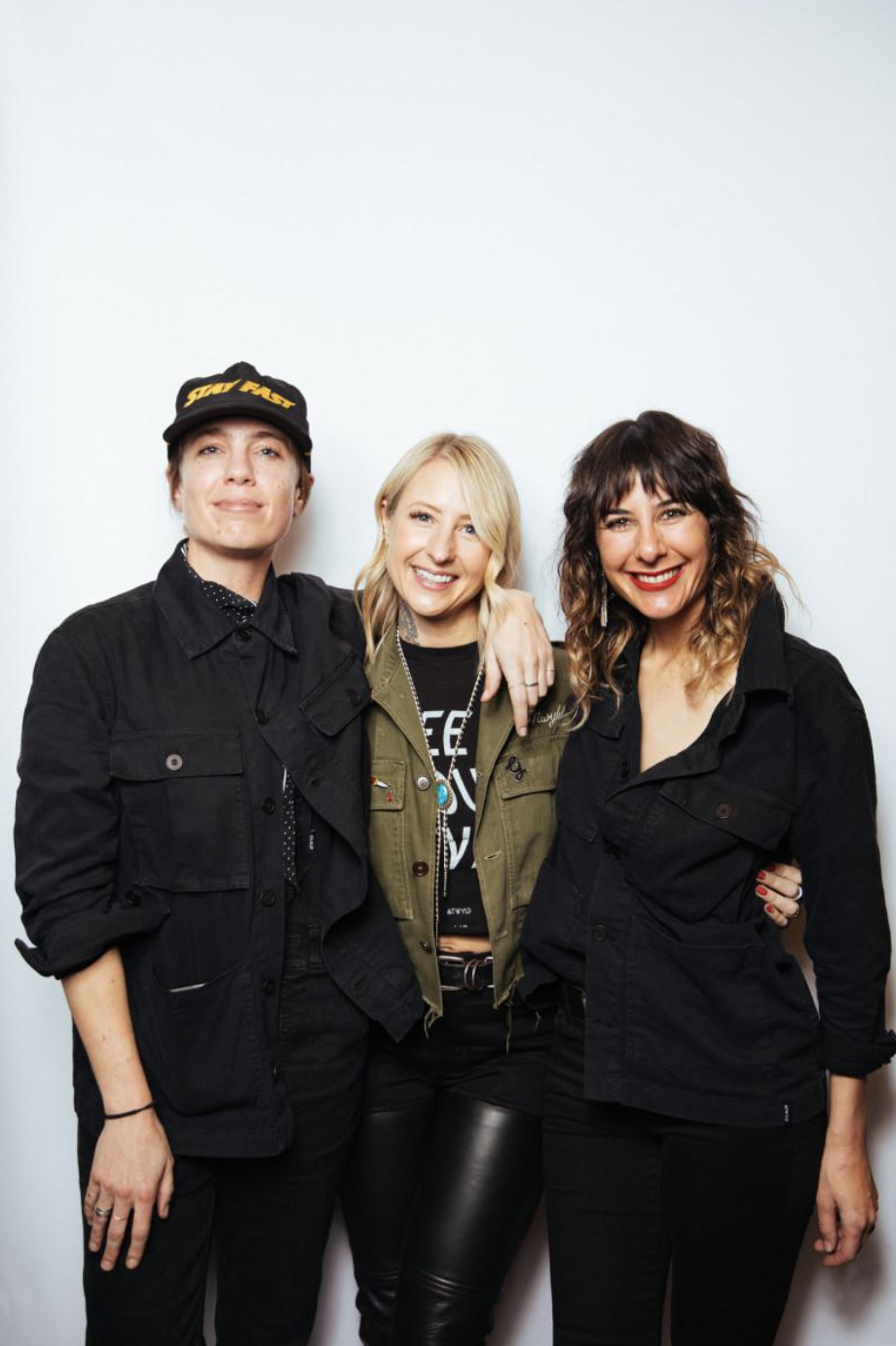
Photo: Genevieve Davis
Researching this article was eye-opening for me, an 18-year veteran of the motorcycle industry. Women aren’t just becoming riders; they’ve been riders all along, and been heavily involved in shaping its culture and ethos the whole way. It’s nice to see them finally being acknowledged as riders first, and women second. We’re looking forward to seeing them take their place as equals.
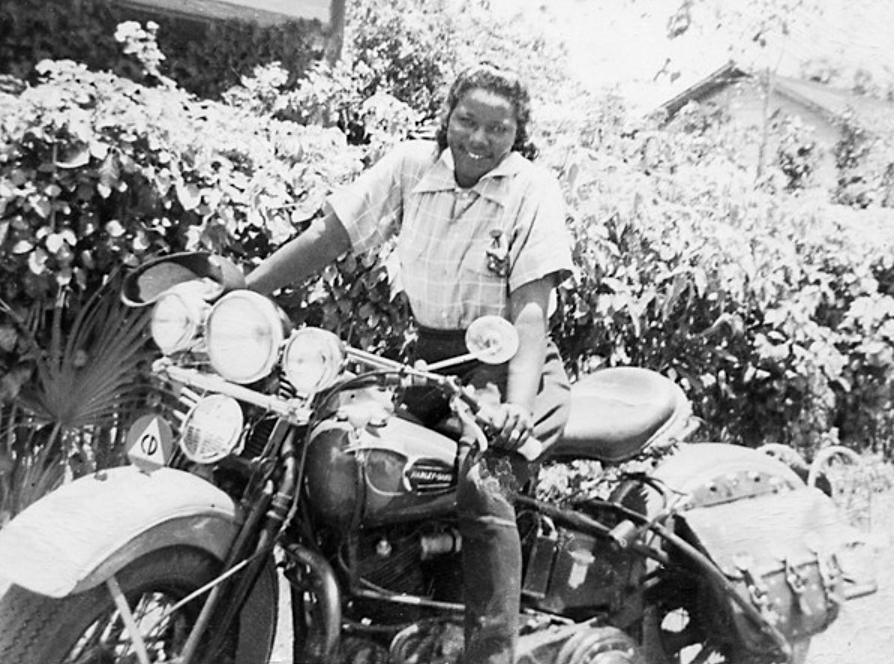
She crossed the country 8 times and served as a US Army dispatch rider. She’s just one of 21 women recognized by the AMA for outstanding contributions to motorcycling.